Buy supplychainsolutions.eu ?
We are moving the project
supplychainsolutions.eu .
Are you interested in purchasing the domain
supplychainsolutions.eu ?
domain@kv-gmbh.de · 0541-91531010
Buy supplychainsolutions.eu ?
Why is sustainability important in the textile industry in emerging countries?
Sustainability is crucial in the textile industry in emerging countries for several reasons. Firstly, these countries often lack strict environmental regulations, leading to high levels of pollution and resource depletion. Implementing sustainable practices can help mitigate these negative impacts on the environment. Additionally, consumers worldwide are increasingly demanding ethically produced and environmentally friendly products, making sustainability a competitive advantage for companies in emerging countries. Lastly, adopting sustainable practices can improve the overall well-being of workers in the textile industry by ensuring safe working conditions and fair wages. **
What are the aspects of sustainability in procurement?
Sustainability in procurement involves considering the environmental, social, and economic impacts of the products and services being purchased. This includes sourcing from suppliers who adhere to ethical and sustainable practices, reducing waste and energy consumption in the supply chain, and ensuring fair labor practices. Additionally, sustainable procurement involves promoting local and diverse suppliers, as well as seeking out products and services with minimal environmental impact. Overall, the goal is to make purchasing decisions that support long-term environmental and social well-being while also being economically viable. **
Similar search terms for Countries
Top-Angebote
Products related to Countries:
-
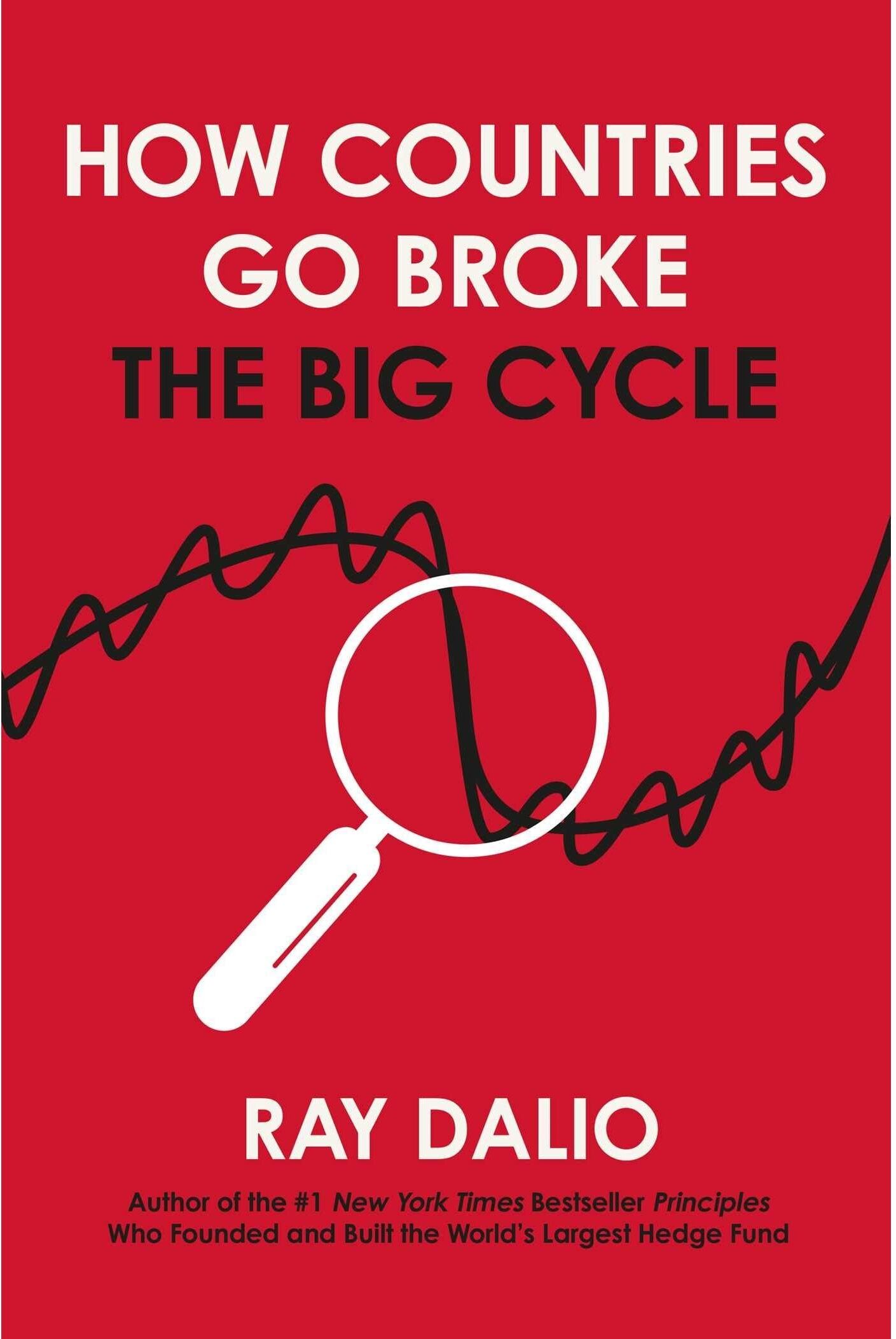
How Countries Go Broke Principles for Navigating the Big Debt Cycle, Where We Are Headed, and What We Should Do by Ray Dalio - Non Fiction - Hardback Simon & SchusterDo big government debts threaten our collective well-being? Are there limits to debt growth? Can a big, important reserve currency country like the United States really go broke – and what would that look like? For decades, politicians, policymakers and investors have debated these questions, but the answers have eluded them. In this groundbreaking book, Ray Dalio, one of the greatest investors of our time who anticipated the 2008 global financial crisis and the 2010–12 European debt crisis, shares for the first time his detailed explanation of what he calls the 'Big Debt Cycle'. Understanding this cycle is critical for helping policymakers, investors and the general public grasp where we are and where we are headed with the debt issue. Dalio's model points toward surprisingly straightforward solutions for dealing with the debt problems that the US, Europe, Japan and China face today. How Countries Go Broke also shows how these debt problems are related to the other forces – political within countries, geopolitical between countries, natural (droughts, floods and pandemics) and technological (most importantly, AI) – that together are causing what Dalio calls the 'Overall Big Cycle' changes in the world order. By reading this book, you will improve your understanding of what's happening now and what to do about it.15,99 £*Shipping: 2,99 £Secure redirect to the provider
-
Sesderma Reti Age 5 Liposomal Serum Anti-Aging Innovation 30mLA facial serum for wrinkles and signs of ageing. Reduces wrinkles and fine lines. Hydrates and strengthens barrier. Restores youthful radiance. 5-Retinoid System: smooths wrinkles, accelerates renewal, and boosts collagen. Biomimetic Peptides: fill expression lines by stimulating collagen synthesis.53,26 £*Shipping: 5,22 £Secure redirect to the provider
-
Uplift Essentials Structural Door Armrest Logistics Hub Structural Door Armrest Logistics HubAchieve total cabin organization and eliminate visual clutter with the Professional HighCapacity Structural Door Armrest Logistics Hub, specifically engineered for the Suzuki Jimny 5Door (20232026). This industrialgrade system transforms the open...60,97 $*Shipping: 0,00 $Secure redirect to the provider
-
DEVERA Hanger and Full-length Mirror IntegrationSpecification Main Material: Rubber Wood,Solid Wood,Wood+Glass Product Style: American Design,Art Deco,Artsy,Contemporary,European Product Features Product Information: Full-length mirror, solid wood + rubber wood + glass, 65.7*17.7in (mirror width:…302,39 $*Shipping: 0,00 $Secure redirect to the provider


-
Which countries are Balkan countries?
The Balkan countries are located in the southeastern region of Europe and include Albania, Bosnia and Herzegovina, Bulgaria, Croatia, Greece, Kosovo, Montenegro, North Macedonia, Romania, Serbia, and Slovenia. These countries are characterized by their diverse cultures, histories, and landscapes, and are often considered a bridge between the East and the West. The term "Balkan" is derived from the Balkan Mountains, which run through the region. **
-
How do you rank the IQ distribution of different countries?
Ranking the IQ distribution of different countries can be a complex and controversial task. IQ scores are influenced by a variety of factors including education, socio-economic status, and cultural differences. Some studies have attempted to rank countries based on average IQ scores, but these rankings should be interpreted with caution due to potential biases in testing methods and cultural differences in the understanding of intelligence. It is important to consider the limitations of IQ testing and to approach any rankings with an understanding of the potential for bias and cultural differences. **
-
Why are some countries stricter with integration and some less so?
Some countries may be stricter with integration due to concerns about preserving their national identity and culture. They may also have concerns about the impact of immigration on their economy and social services. Additionally, historical and political factors, such as past conflicts or colonial legacies, can influence a country's approach to integration. On the other hand, some countries may be less strict with integration in order to attract skilled workers, boost their economy, and promote diversity. They may also have a more inclusive and welcoming approach to immigration due to their historical and cultural values. **
-
Which Balkan countries are Islamic countries?
The Balkan countries with a significant Muslim population are Albania, Bosnia and Herzegovina, and Kosovo. These countries have a long history of Islamic influence and have a majority Muslim population. Islam has played a significant role in shaping the culture, traditions, and architecture of these countries. While other Balkan countries also have Muslim communities, these three countries are considered Islamic countries due to their majority Muslim population. **


What are industrialized countries and developing countries?
Industrialized countries are those that have advanced infrastructure, technology, and high levels of income and standard of living. These countries have highly developed economies and industries, and typically have a high level of urbanization and access to modern amenities. Developing countries, on the other hand, are those that are still in the process of industrialization and have lower levels of income and standard of living. These countries often have less advanced infrastructure and technology, and may have a higher proportion of their population engaged in agriculture. Developing countries are working towards improving their economic and social conditions to reach the level of industrialized countries. **
What is distribution logistics 2?
Distribution logistics 2 refers to the process of managing the movement and storage of goods from the point of production to the point of consumption. This includes activities such as transportation, warehousing, inventory management, and order fulfillment. Distribution logistics 2 also involves optimizing the supply chain to ensure that products are delivered to customers in a timely and cost-effective manner. This can involve using advanced technology and data analysis to improve efficiency and reduce costs. **
Top-Angebote
Products related to Countries:
-
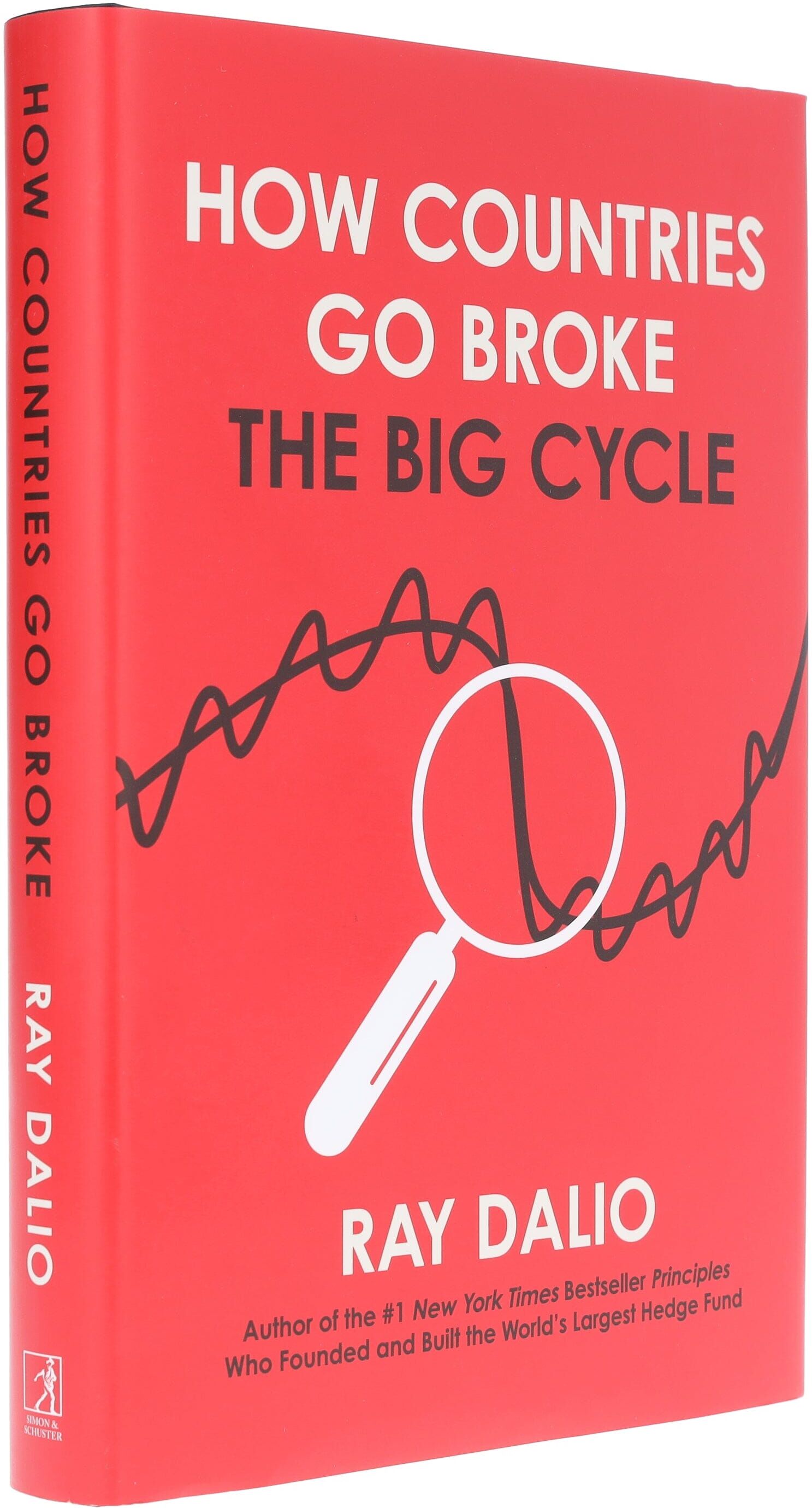
Simon and Schuster UK How Countries Go Broke: Principles for Navigating the Big Debt Cycle, Where We Are Headed, and What We Should DoAn urgent warning about the global economy from Ray Dalio, the #1 New York Times bestselling author of Principles. Do big government debts threaten our collective well-being? Are there limits to debt growth? Can a big, important reserve currency country like the United States really go broke – and what would that look like? For decades, politicians, policymakers and investors have debated these questions, but the answers have eluded them. In this groundbreaking book, Ray Dalio, one of the greatest investors of our time who anticipated the 2008 global financial crisis and the 2010–12 European debt crisis, shares for the first time his detailed explanation of what he calls the 'Big Debt Cycle'. Understanding this cycle is critical for helping policymakers, investors and the general public grasp where we are and where we are headed with the debt issue. Dalio's model points toward surprisingly straightforward solutions for dealing with the debt problems that the US, Europe, Japan and China face today. How Countries Go Broke also shows how these debt problems are related to the other forces – political within countries, geopolitical between countries, natural (droughts, floods and pandemics) and technological (most importantly, AI) – that together are causing what Dalio calls the 'Overall Big Cycle' changes in the world order. By reading this book, you will improve your understanding of what's happening now and what to do about it.17,99 £*Shipping: 2,99 £Secure redirect to the provider
-
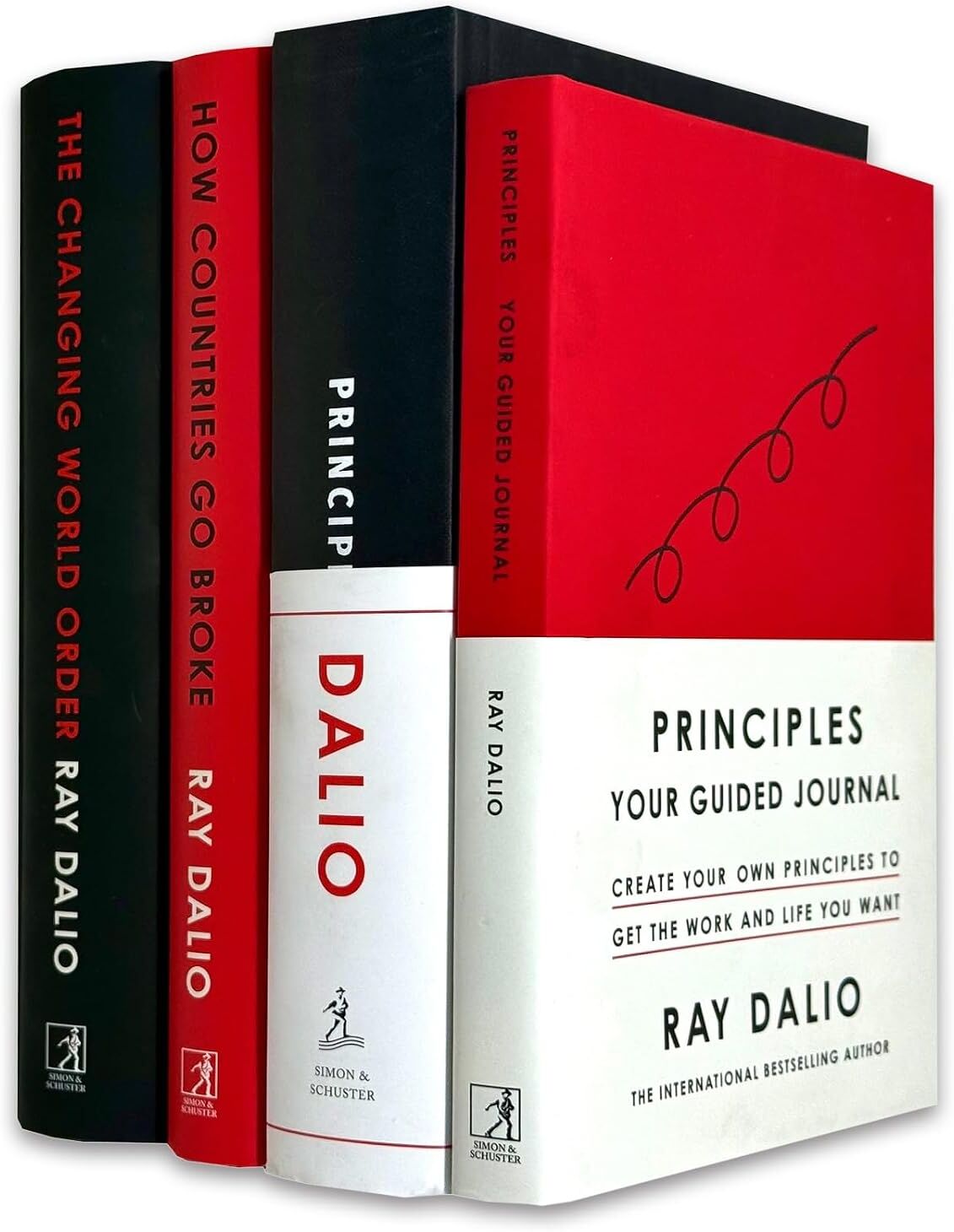
Ray Dalio Collection (Principles: Life and Work, The Changing World Order, How Countries Go Broke & Guided Journal) 4 Books Set - Non Fiction - Hardback Simon & SchusterTitles in this Set: 1. Principles: Life and Work 2. Principles for Dealing with the Changing World Order 3. How Countries Go Broke: The Big Cycle 4. Principles: Your Guided Journal Description: Principles: Life and Work In 1975, Ray Dalio founded an investment firm, Bridgewater Associates, out of his two-bedroom apartment in New York City. Forty years later, Bridgewater has made more money for its clients than any other hedge fund in history and grown into the fifth most important private company in the United States, according to Fortune magazine. Dalio himself has been named to Time magazine’s list of the 100 most influential people in the world. Along the way, Dalio discovered a set of unique principles that have led to Bridgewater’s exceptionally effective culture, which he describes as “an idea meritocracy that strives to achieve meaningful work and meaningful relationships through radical transparency.” It is these principles, and not anything special about Dalio—who grew up an ordinary kid in a middle-class Long Island neighborhood—that he believes are the reason behind his success. In Principles, Dalio shares what he’s learned over the course of his remarkable career. He argues that life, management, economics, and investing can all be systemized into rules and understood like machines. The book’s hundreds of practical lessons, which are built around his cornerstones of “radical truth” and “radical transparency,” include Dalio laying out the most effective ways for individuals and organizations to make decisions, approach challenges, and build strong teams. He also describes the innovative tools the firm uses to bring an idea meritocracy to life, such as creating “baseball cards” for all employees that distill their strengths and weaknesses, and employing computerized decision-making systems to make believability-weighted decisions. While the book brims with novel ideas for organizations and institutions, Principles also offers a clear, straightforward approach to decision-making that Dalio believes anyone can apply, no matter what they’re seeking to achieve. Principles for Dealing with the Changing World Order A few years ago, Ray Dalio noticed a confluence of political and economic conditions he hadn’t encountered before. They included huge debts and zero or near-zero interest rates that led to massive printing of money in the world’s three major reserve currencies; big political and social conflicts within countries, especially the US, due to the largest wealth, political and values disparities in more than 100 years; and the rising of a world power (China) to challenge the existing world power (US) and the existing world order. The last time that this confluence occurred was between 1930 and 1945. This realisation sent Dalio on a search for the repeating patterns and cause/effect relationships underlying all major changes in wealth and power over the last 500 years. In this remarkable and timely addition to his Principles series,...35,99 £*Shipping: 0,00 £Secure redirect to the provider
-
How Countries Go Broke Principles for Navigating the Big Debt Cycle, Where We Are Headed, and What We Should Do by Ray Dalio - Non Fiction - Hardback Simon & SchusterDo big government debts threaten our collective well-being? Are there limits to debt growth? Can a big, important reserve currency country like the United States really go broke – and what would that look like? For decades, politicians, policymakers and investors have debated these questions, but the answers have eluded them. In this groundbreaking book, Ray Dalio, one of the greatest investors of our time who anticipated the 2008 global financial crisis and the 2010–12 European debt crisis, shares for the first time his detailed explanation of what he calls the 'Big Debt Cycle'. Understanding this cycle is critical for helping policymakers, investors and the general public grasp where we are and where we are headed with the debt issue. Dalio's model points toward surprisingly straightforward solutions for dealing with the debt problems that the US, Europe, Japan and China face today. How Countries Go Broke also shows how these debt problems are related to the other forces – political within countries, geopolitical between countries, natural (droughts, floods and pandemics) and technological (most importantly, AI) – that together are causing what Dalio calls the 'Overall Big Cycle' changes in the world order. By reading this book, you will improve your understanding of what's happening now and what to do about it.15,99 £*Shipping: 2,99 £Secure redirect to the provider
-
Sesderma Reti Age 5 Liposomal Serum Anti-Aging Innovation 30mLA facial serum for wrinkles and signs of ageing. Reduces wrinkles and fine lines. Hydrates and strengthens barrier. Restores youthful radiance. 5-Retinoid System: smooths wrinkles, accelerates renewal, and boosts collagen. Biomimetic Peptides: fill expression lines by stimulating collagen synthesis.53,26 £*Shipping: 5,22 £Secure redirect to the provider
-
Why is sustainability important in the textile industry in emerging countries?
Sustainability is crucial in the textile industry in emerging countries for several reasons. Firstly, these countries often lack strict environmental regulations, leading to high levels of pollution and resource depletion. Implementing sustainable practices can help mitigate these negative impacts on the environment. Additionally, consumers worldwide are increasingly demanding ethically produced and environmentally friendly products, making sustainability a competitive advantage for companies in emerging countries. Lastly, adopting sustainable practices can improve the overall well-being of workers in the textile industry by ensuring safe working conditions and fair wages. **
-
What are the aspects of sustainability in procurement?
Sustainability in procurement involves considering the environmental, social, and economic impacts of the products and services being purchased. This includes sourcing from suppliers who adhere to ethical and sustainable practices, reducing waste and energy consumption in the supply chain, and ensuring fair labor practices. Additionally, sustainable procurement involves promoting local and diverse suppliers, as well as seeking out products and services with minimal environmental impact. Overall, the goal is to make purchasing decisions that support long-term environmental and social well-being while also being economically viable. **
-
Which countries are Balkan countries?
The Balkan countries are located in the southeastern region of Europe and include Albania, Bosnia and Herzegovina, Bulgaria, Croatia, Greece, Kosovo, Montenegro, North Macedonia, Romania, Serbia, and Slovenia. These countries are characterized by their diverse cultures, histories, and landscapes, and are often considered a bridge between the East and the West. The term "Balkan" is derived from the Balkan Mountains, which run through the region. **
-
How do you rank the IQ distribution of different countries?
Ranking the IQ distribution of different countries can be a complex and controversial task. IQ scores are influenced by a variety of factors including education, socio-economic status, and cultural differences. Some studies have attempted to rank countries based on average IQ scores, but these rankings should be interpreted with caution due to potential biases in testing methods and cultural differences in the understanding of intelligence. It is important to consider the limitations of IQ testing and to approach any rankings with an understanding of the potential for bias and cultural differences. **
Similar search terms for Countries
-
Uplift Essentials Structural Door Armrest Logistics Hub Structural Door Armrest Logistics HubAchieve total cabin organization and eliminate visual clutter with the Professional HighCapacity Structural Door Armrest Logistics Hub, specifically engineered for the Suzuki Jimny 5Door (20232026). This industrialgrade system transforms the open...60,97 $*Shipping: 0,00 $Secure redirect to the provider
-
DEVERA Hanger and Full-length Mirror IntegrationSpecification Main Material: Rubber Wood,Solid Wood,Wood+Glass Product Style: American Design,Art Deco,Artsy,Contemporary,European Product Features Product Information: Full-length mirror, solid wood + rubber wood + glass, 65.7*17.7in (mirror width:…302,39 $*Shipping: 0,00 $Secure redirect to the provider
-
Uplift Essentials High Capacity Structural Console Logistics Hub High Capacity Structural Console Logistics HubAchieve total cabin organization and eliminate visual clutter with the Professional HighCapacity Structural Console Logistics Hub, precisionengineered for the Volkswagen VW UP (20132021). This industrialgrade system transforms the underutilized...63,97 $*Shipping: 0,00 $Secure redirect to the provider
-
DEVERA Hanger and Full-length Mirror IntegrationSpecification Main Material: Rubber Wood,Solid Wood,Wood+Glass Product Style: American Design,Art Deco,Artsy,Contemporary,European Product Features Product Information: Full-length mirror, solid wood + rubber wood + glass, 65.7*17.7in (mirror width:…277,49 $*Shipping: 0,00 $Secure redirect to the provider
-
Why are some countries stricter with integration and some less so?
Some countries may be stricter with integration due to concerns about preserving their national identity and culture. They may also have concerns about the impact of immigration on their economy and social services. Additionally, historical and political factors, such as past conflicts or colonial legacies, can influence a country's approach to integration. On the other hand, some countries may be less strict with integration in order to attract skilled workers, boost their economy, and promote diversity. They may also have a more inclusive and welcoming approach to immigration due to their historical and cultural values. **
-
Which Balkan countries are Islamic countries?
The Balkan countries with a significant Muslim population are Albania, Bosnia and Herzegovina, and Kosovo. These countries have a long history of Islamic influence and have a majority Muslim population. Islam has played a significant role in shaping the culture, traditions, and architecture of these countries. While other Balkan countries also have Muslim communities, these three countries are considered Islamic countries due to their majority Muslim population. **
-
What are industrialized countries and developing countries?
Industrialized countries are those that have advanced infrastructure, technology, and high levels of income and standard of living. These countries have highly developed economies and industries, and typically have a high level of urbanization and access to modern amenities. Developing countries, on the other hand, are those that are still in the process of industrialization and have lower levels of income and standard of living. These countries often have less advanced infrastructure and technology, and may have a higher proportion of their population engaged in agriculture. Developing countries are working towards improving their economic and social conditions to reach the level of industrialized countries. **
-
What is distribution logistics 2?
Distribution logistics 2 refers to the process of managing the movement and storage of goods from the point of production to the point of consumption. This includes activities such as transportation, warehousing, inventory management, and order fulfillment. Distribution logistics 2 also involves optimizing the supply chain to ensure that products are delivered to customers in a timely and cost-effective manner. This can involve using advanced technology and data analysis to improve efficiency and reduce costs. **
* All prices are inclusive of VAT and, if applicable, plus shipping costs. The offer information is based on the details provided by the respective shop and is updated through automated processes. Real-time updates do not occur, so deviations can occur in individual cases. ** Note: Parts of this content were created by AI.